
Texas Smoke & Fire Claim Specialists
Texas Smoke Damage Public Adjuster Representing Policyholders
Your smoke damage claim deserves a closer look. Smoke Damage Public Adjuster represents Texas homeowners and businesses after smoke and fire property losses — documenting smoke, soot, odor, contents and related fire damage so the claim is presented with organized supporting information. We work for you, not the insurance company.
- Licensed Texas Public Adjusting Company
- Residential & Commercial Claims
- Serving All of Texas
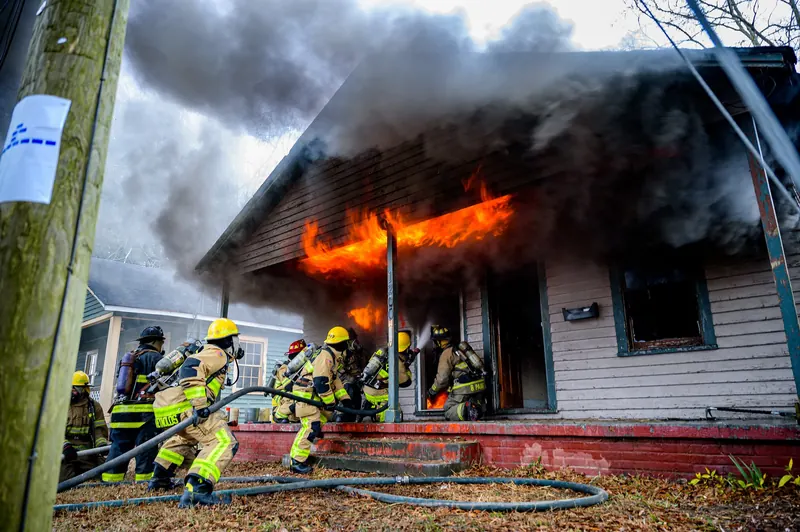
Licensed Texas public adjuster
Rise Public Adjusting LLC
TDI License #3356839
Why smoke claims become complicated
What you can't easily see can still affect the claim.
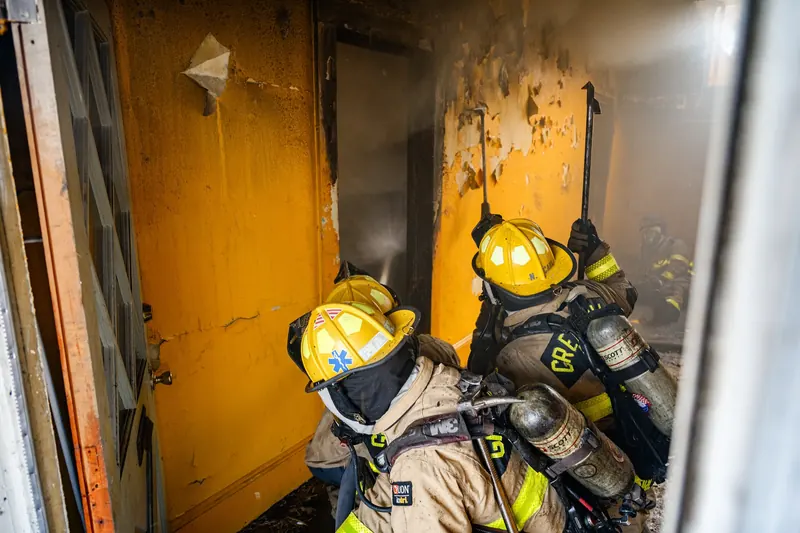
Fire damage is usually obvious. Smoke damage often isn't. Smoke can travel beyond the room where the fire began, settle on surfaces and contents, enter HVAC pathways and create cleaning-or-replacement questions that need careful documentation.
A Smoke Damage Public Adjuster helps organize those details into a documented claim instead of relying only on what is visible during a first walkthrough.
Smoke migration
Smoke can move well beyond the room where a fire started — through doorways, hallways, stairwells and gaps in the building.
Soot deposition
Fine residue can settle on walls, ceilings, cabinetry and contents in rooms that show little visible damage at first glance.
Odor
Persistent odor may point to residue in porous materials, but it needs to be documented and, where appropriate, evaluated by qualified specialists.
HVAC contamination
If a system ran during or after the fire, smoke may have been drawn into returns, filters, ductwork and the air handler.
Attics, insulation & wall cavities
Smoke and heat can reach concealed spaces that are not visible during a quick walkthrough.
Cabinetry, flooring & upholstery
Different materials react differently to heat, soot and odor, which drives cleaning-versus-replacement questions.
Electronics & appliances
Residue on and inside electronics raises questions that may need technical input and careful documentation.
Clothing & contents
Personal property claims often involve hundreds of items that each need a description, age, condition and value.
Firefighting water
Water used to put out the fire can damage drywall, insulation, flooring and contents in addition to the fire itself.
Temporary living expenses
When a home is not livable, additional living expenses may be addressed under the policy — records matter.
Business interruption
Commercial policies may address lost business income or extra expense, depending on the policy and the facts.
What we document
Build the claim around evidence — not assumptions.
As your Smoke Damage Public Adjuster, we document the property, the contents and the expenses tied to the loss, then organize everything so the carrier can see what was affected and why.
The structure
- Direct Fire Damage
- Heat Damage
- Smoke Residue
- Soot
- Odor
- Ceilings
- Walls
- Flooring
- Cabinetry
- Insulation
- HVAC Systems
- Fire Suppression Water Damage
- Debris
Contents & property
- Personal Property
- Furniture
- Clothing
- Electronics
- Business Equipment
- Inventory
Expenses & records
- Additional Living Expenses
- Commercial Loss Documentation
- Carrier Estimates
- Invoices & Receipts
- Photos & Video
- Correspondence
Claims we handle
Smoke Damage Public Adjuster services for every part of the loss
SmokeDamage.com is built around one specialty: helping policyholders with smoke and fire-related property insurance claims — from the first report to an underpaid or denied claim.
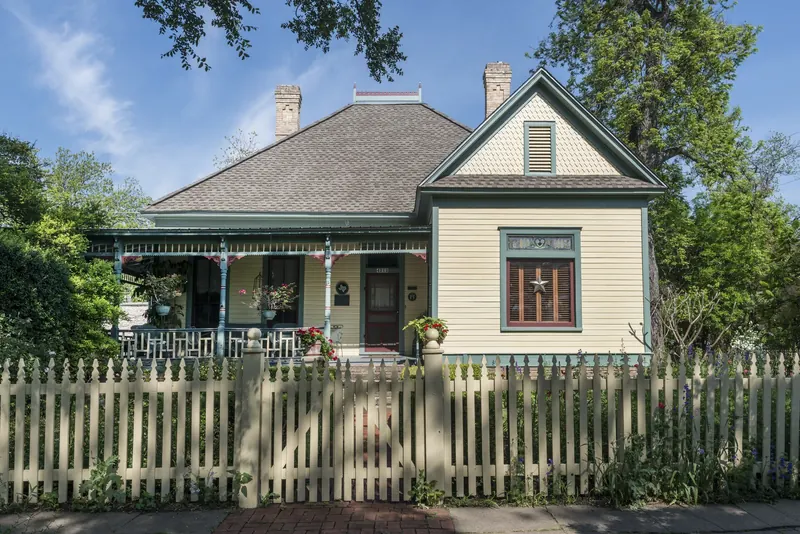
Residential Smoke Damage
Houses, condos, townhomes and rental properties affected by smoke, soot and odor.
Learn more →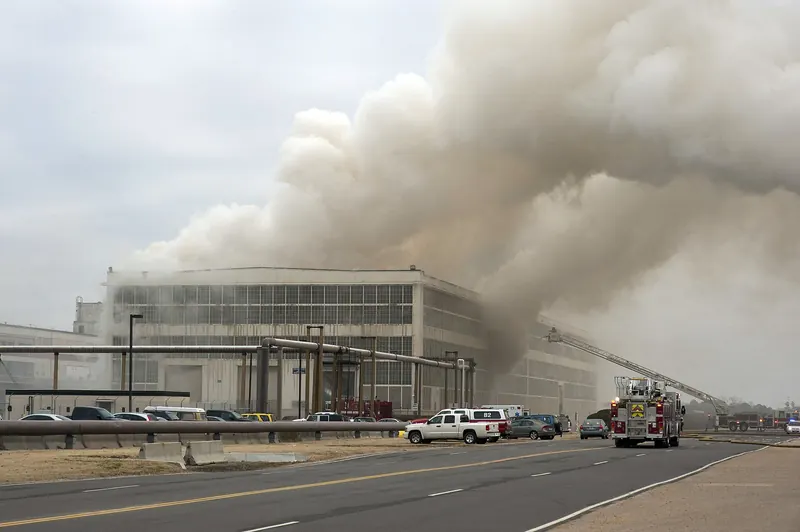
Commercial Smoke Damage
Offices, retail, restaurants, warehouses, multifamily, churches and associations.
Learn more →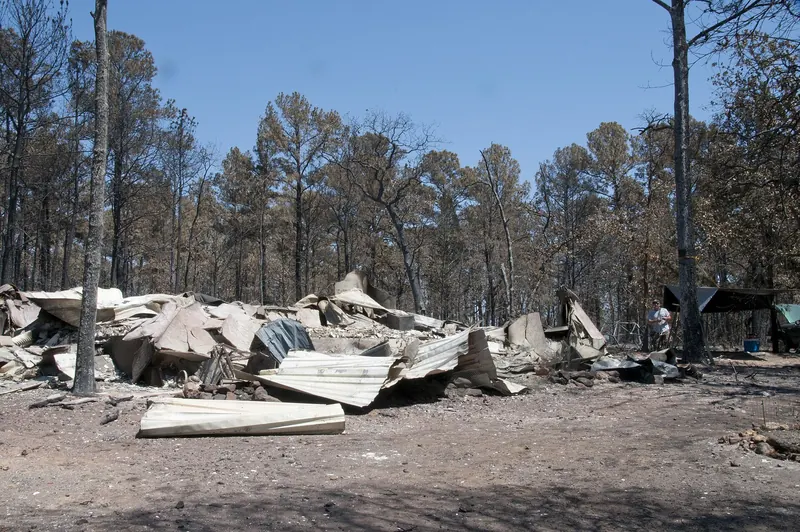
Fire + Smoke Combination Claims
Direct flame, heat, smoke, suppression water and debris in one loss.
Learn more →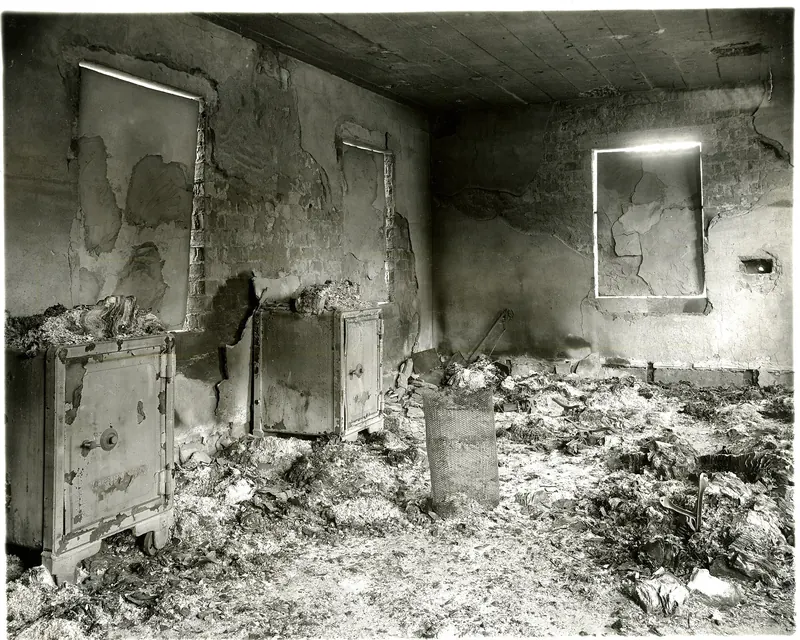
Soot Damage
Visible and fine residue on surfaces, materials, systems and contents.
Learn more →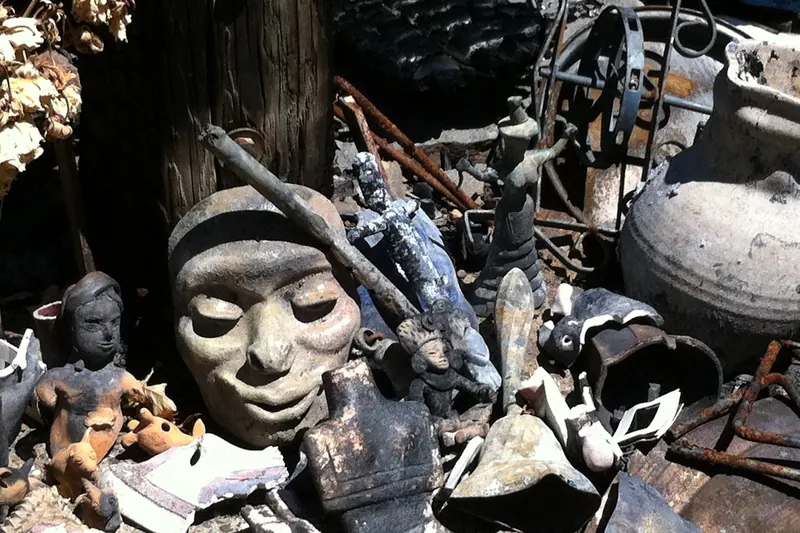
Contents Claims
Itemized inventories for furniture, electronics, clothing, inventory and more.
Learn more →
HVAC Smoke Damage
Returns, filters, ductwork, registers and air handlers affected by smoke.
Learn more →
Smoke Odor Claims
Documenting persistent odor and the materials involved.
Learn more →
Denied Claims
A structured second look at a denial letter and the claim file.
Learn more →
Delayed Claims
Organizing the file and communication when a claim has stalled.
Learn more →
Underpaid Claims
Comparing the carrier's estimate with the documented damage.
Learn more →Smoke damage is not always obvious
How smoke can travel through a property
Smoke doesn't always stay where the fire was. Depending on the event, it may follow a path like the one below. Not every fire affects every area — the extent of damage depends on the specific event and has to be evaluated and documented.
- 01
Fire origin
Where the fire started — often a kitchen, garage, electrical source or appliance.
- 02
Adjacent room
Heat and smoke move into the next space through open doors and shared walls.
- 03
Hallway
Hallways and stairwells can channel smoke toward the rest of the home or building.
- 04
HVAC return
If the system is running, return vents can draw smoke into the system.
- 05
HVAC system
Filters, the air handler and ductwork may carry residue through the building.
- 06
Other rooms
Supply registers can distribute residue and odor to rooms far from the fire.
- 07
Attic & building cavities
Smoke and heat can reach concealed spaces, insulation and wall cavities.
- 08
Contents
Furniture, clothing, electronics and stored items may be affected throughout.
The claim process
A clear path from first call to claim presentation
Every claim is different, but the work follows the same disciplined steps. See the full claim process →
- 01
Initial Claim Review
We discuss what happened and where your insurance claim currently stands — no policy or claim number needed to start.
- 02
Property Inspection
We document observable smoke, soot, fire, contents and related property damage, room by room.
- 03
Policy & Claim File Review
We review available policy documents, carrier estimates, correspondence, reports, invoices, inventories and supporting records.
- 04
Damage Documentation
We organize photographs, room-by-room conditions, contents, estimates, invoices, scopes and relevant records.
- 05
Claim Presentation
We prepare a documented claim position based on the available facts and the policy provisions.
- 06
Carrier Communication
We communicate and negotiate with the insurer regarding the documented property claim.
Insurance companies have adjusters
Who does each adjuster work for?
Both roles are part of the claim process. The difference is who they represent.
Works for or on behalf of the insurance company.
- May be a staff adjuster, an independent adjuster or a firm hired by the carrier.
- Investigates and evaluates the claim for the insurer.
- Prepares the carrier's estimate and communicates the carrier's position.
Is hired by the policyholder to assist with the property insurance claim.
- Licensed by the Texas Department of Insurance and bound by Texas rules on contracts and fees.
- Documents the loss, reviews the policy and prepares the claim presentation for the insured.
- Communicates and negotiates with the insurer on the policyholder's behalf.
Public adjusters are not attorneys and do not give legal advice. How Texas regulates public adjusters →
Free claim tools
Get organized before the claim review
Two free tools help you see what to document and how contents values are usually organized. They're organizational aids — not settlement or coverage calculators.
Smoke Damage Scope Calculator
Answer a few questions about the fire and get a customized list of areas to document, records to gather and questions to discuss.
Build my documentation scope →
Contents RCV / ACV Calculator
Build a line-item contents inventory with replacement cost, estimated depreciation and estimated ACV — then export it to CSV or PDF.
Start my inventory →Texas statewide
A Texas Smoke Damage Public Adjuster for the whole state
From Gulf Coast refineries and Houston-area neighborhoods to Hill Country homes, Panhandle ranches and El Paso businesses, we represent policyholders with smoke and fire claims in every corner of Texas.
- Houston
- Dallas
- Fort Worth
- Austin
- San Antonio
- El Paso
- Corpus Christi
- Beaumont
- Port Arthur
- Waco
- Killeen
- Temple
- Lubbock
- Amarillo
- Midland
- Odessa
- McAllen
- Edinburg
- Brownsville
- Harlingen
- Laredo
- College Station
- Bryan
- Tyler
- Longview
- Galveston
- Pearland
- Sugar Land
- Katy
- The Woodlands
- Round Rock
- Georgetown
- New Braunfels
- San Marcos
- Arlington
- Plano
- Frisco
- McKinney
- Irving
- Garland
Need Help With a Smoke Damage Claim Anywhere in Texas?
How we work
Documentation first. Clear communication throughout.
We don't publish testimonials we can't verify or promise results no one can promise. What we can tell you is how we approach every smoke and fire claim:
We represent you
Our only client in the claim is the policyholder.
We don't do repairs
We don't clean, remediate, demolish or rebuild property on claims we adjust.
We show our work
Room-by-room documentation, organized records and a written claim presentation.
We explain the policy
What the carrier's estimate includes, what it leaves out, and what the policy says.
Resource Center
Guides for Texas smoke and fire claims
Plain-English articles on documentation, coverage questions and the claim process. View all articles →
Fire Damage Insurance Claim Tips for Texas Homeowners
Practical fire damage insurance claim tips for Texas homeowners: safety, notice, documentation, receipts, living expenses and a claim log.
How to Inventory Fire- and Smoke-Damaged Contents
How to inventory fire damaged contents room by room: the fields to record, where to find proof of ownership, and how to price items.
Is Smoke Damage Covered by Insurance?
Is smoke damage covered by insurance? Learn how homeowners policies handle smoke, which policy sections decide it, and what to check first.
FAQ
Questions about working with a Smoke Damage Public Adjuster
What does a Smoke Damage Public Adjuster do?
It is a licensed public adjuster hired by the policyholder — not the insurance company — to help with a smoke or fire property claim. We document the damage, review the policy and the carrier's estimate, organize supporting records such as photos, inventories and invoices, prepare the claim presentation and communicate with the insurer on your behalf. We do not perform repairs, cleaning or restoration.
Does homeowners insurance cover smoke damage?
Many property policies address smoke damage, but whether a specific loss is covered depends on the policy language, any exclusions or limitations, and the facts of the loss. That is why documentation and a careful policy review matter. See smoke damage insurance claims for more detail.
Can a public adjuster review my claim after the insurance company has already inspected?
Yes. Many people contact us after an inspection, a partial payment, or a denial letter. We can compare the documented conditions with the carrier's estimate and correspondence to see whether items deserve further attention. No result is guaranteed.
Do you serve all of Texas?
Yes. As a Texas Smoke Damage Public Adjuster, we represent residential and commercial policyholders statewide — from Houston and Dallas–Fort Worth to Austin, San Antonio, El Paso, the Rio Grande Valley, West Texas and the Panhandle. See our Texas service areas.
Do you work for the insurance company?
No. We represent policyholders only. The insurance company has its own adjusters, who work for or on behalf of the insurer. A public adjuster is hired by the insured under a written contract.
How are public adjusters paid in Texas?
Public adjusters in Texas are generally paid a percentage of the claim settlement under a written contract, and Texas law regulates both the contract and the compensation. Our Texas public adjuster rules page explains the requirements in plain English. The initial claim review is free.
Free Claim Review
Talk with a Texas Smoke Damage Public Adjuster about your claim
Tell us what happened and where the claim stands. We'll review it with you and explain whether and how we may be able to help. No policy or claim number is needed to start.